


WHY US
We can provide.
Personnel safety
We want to provide you.
Safe and reliable
We want to provide you.
Intelligent
We want to provide you.
Property protection
We want to provide you.
Peace ofmind and compliance
We want to provide you.
Reliable after-sales
We want to provide you.
Tianjin Jun Yihao Technology Co., Ltd
About our products, it is worthy of choice and trust.
What are Fire Resistant Materials?
Fire-resistant materials, more technically known as flame-retardant or non-combustible materials, refer to materials that resist the spread of flames, delay fires, and provide valuable escape and rescue time for people and property. They are not absolutely “burnable”, but their core function is to maintain their structural integrity and thermal insulation for a long time, thereby effectively controlling fires.
(Core performance indicators of fireproof materials)
To evaluate the fire resistance of a material, it mainly depends on the “fire resistance limit”, which is the most important indicator. It refers to the maximum time that the component can maintain its stability (no collapse), integrity (no cracking, fire penetration) and thermal insulation (the temperature of the back fire surface is not too high) under standard fire conditions, and the unit is hours (h).
Fire-resistant materials are the cornerstone of modern passive fire protection systems. Their role is not to actively extinguish fires, but to passively provide people with the following guarantees:
1. Save lives: Buy the most critical time for evacuation and fire rescue.
2. Protect property: Keep fires under control in a small area, reducing financial losses.
3. Maintain Structural Stability: Prevent buildings from collapsing prematurely in fires.
4. Stop the spread of fires: Effectively control the scale of fires.Your Content Goes Here
What is a window opener?
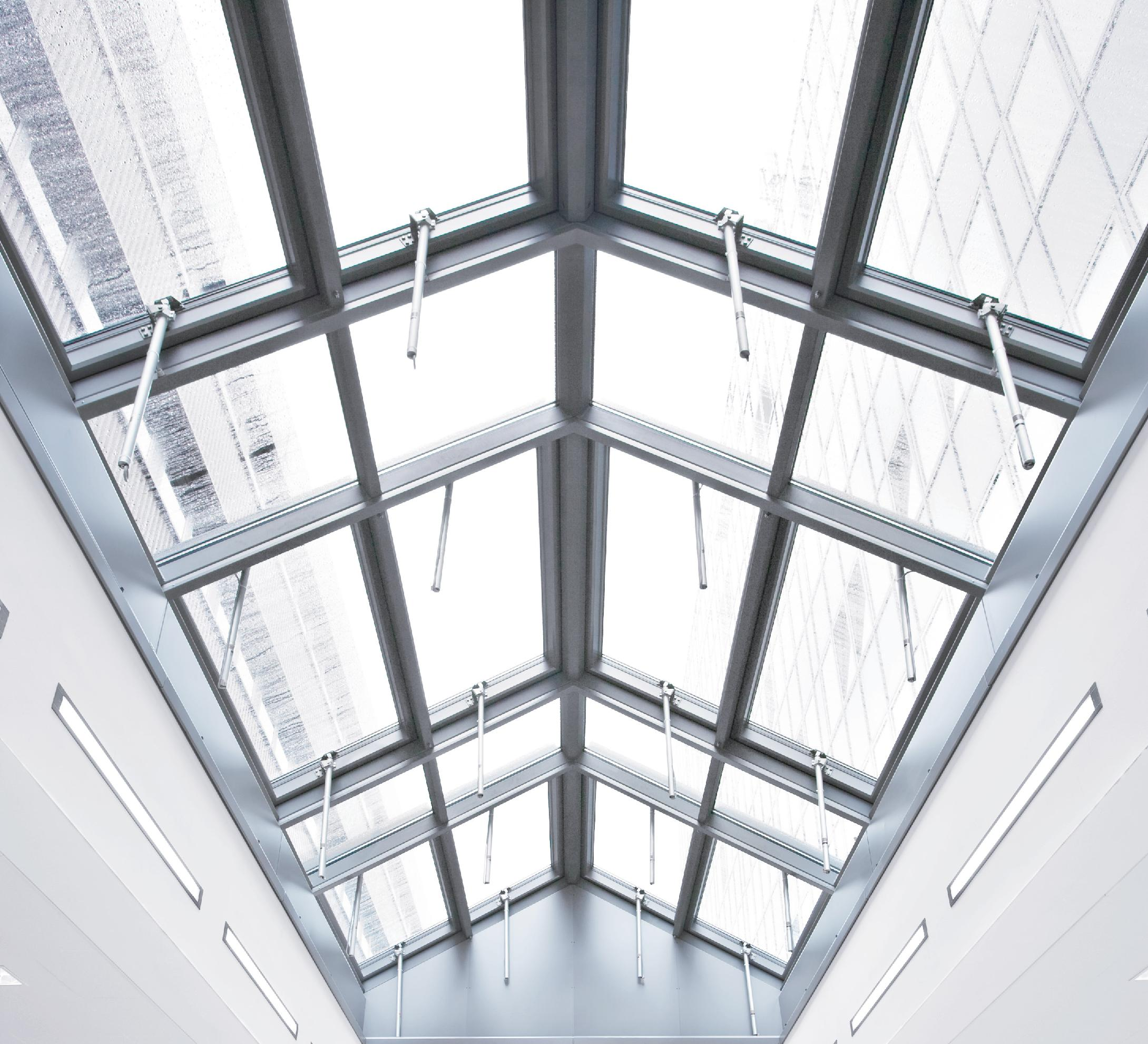
Window opener, full name electric window opener or intelligent window opening system, is a device that replaces the traditional manual method by electric drive to realize the automatic opening and closing of windows. It is usually composed of a drive mechanism (motor), a control box, a switch or sensor, and a linkage mechanism, and is a key equipment for ventilation, smoke exhaust, and intelligent control in modern intelligent buildings, industrial plants, and homes.
The core working principle of the window opener is: the control system receives the command → drives the motor to work → pushes the sash movement through the mechanical structure.
Key Considerations for Choosing a Window Opener:
1. Window type and opening method: Determine whether the window is overhanging, downhanging, push-pull, casement or skylight, which is the primary basis for choosing the window opener type.
2. Weight and size of the sash: The larger and heavier the window, the greater the window opener thrust (Newton-N) required. The product must be selected to match the thrust, otherwise it will not be turned on normally.
3. Installation space and location: Check whether there is enough space available for installing the window opener and choose the appropriate product based on the installation location (top, side, bottom).
4. Safety protection level: In humid or dusty environments, it is necessary to choose products with higher IP protection levels to ensure their long-term stable operation.